

For years, I believed recovery had a finish line.
Not literally, of course. I knew recovery was supposed to be lifelong. I’d heard that phrase countless times.
But somewhere along the way, I started believing that if I stayed sober long enough, things would eventually settle into place.
The cravings would disappear.
The uncertainty would disappear.
The emotional ups and downs would disappear.
And most importantly, I would stop needing help.
For a while, that belief seemed reasonable.
My life improved dramatically after I stopped drinking.
Relationships healed.
My career stabilized.
People trusted me again.
I became the kind of recovery success story people point to when they want proof that change is possible.
Then something happened that completely surprised me.
Years into sobriety, I started feeling disconnected.
Not from sobriety.
From myself.
I wasn’t drinking.
I wasn’t actively struggling with cravings.
I wasn’t experiencing the kind of crisis that had originally brought me into recovery.
Yet something felt off.
At first, I ignored it.
Then I minimized it.
Then I spent months trying to convince myself it would go away.
Eventually, I learned a lesson I wish someone had taught me sooner:
Long-term recovery isn’t about avoiding future struggles.
It’s about learning how to respond when they arrive.
That lesson ultimately led me back toward support, resources, and conversations I never expected to need again. Looking back, revisiting options like alcohol treatment services wasn’t a step backward.
It was one of the healthiest decisions I could have made.
I Was Sober, But I Wasn’t Connected
One reason this period was so confusing is that nothing looked obviously wrong.
If someone had asked how I was doing, I probably would have said, “Fine.”
And in many ways, I was.
I was working.
I was paying bills.
I was maintaining relationships.
I was showing up for responsibilities.
The problem was that I no longer felt present in my own life.
Days started blending together.
The gratitude I once felt for sobriety became harder to access.
The excitement I experienced in early recovery faded.
Even activities I used to enjoy felt distant.
I wasn’t miserable.
I was numb.
That emotional flatness can be difficult to explain to people who haven’t experienced it.
Everything appears stable.
But internally, life starts feeling smaller.
Less vibrant.
Less meaningful.
Less connected.
Many long-term alumni know exactly what I’m talking about.
Recovery Doesn’t Stop Growing Just Because We Do
One mistake I made was assuming the recovery tools that helped me during my first few years sober would automatically carry me through every future stage of life.
Those tools were incredibly valuable.
They saved my life.
But life changes.
The challenges we face at five years sober aren’t always the same challenges we face at six months sober.
Careers evolve.
Families evolve.
Health changes.
Loss happens.
Success happens.
Unexpected transitions happen.
Recovery has to evolve too.
Looking back, I wasn’t struggling because recovery wasn’t working.
I was struggling because I was trying to use old solutions for new problems.
That’s a very different issue.
The Shame of Needing More Help
One thing people don’t talk about enough is the shame that can come with struggling after years of sobriety.
In some ways, it felt harder than asking for help the first time.
Early in recovery, nobody expected me to have everything figured out.
Years later, I felt pressure to be the person who had answers.
I worried about what people would think.
Would they assume I was relapsing?
Would they think I was failing?
Would they wonder what happened?
The irony is that many people in recovery carry these fears while simultaneously encouraging others to ask for help.
We’re compassionate toward everyone except ourselves.
What finally changed for me was realizing that needing support wasn’t evidence of failure.
It was evidence that I was paying attention.
Ignoring the problem would have been far riskier than acknowledging it.
Going Back Didn’t Feel Like Starting Over
One reason people resist returning to treatment or additional support is the fear of losing progress.
I understand that fear.
I had it too.
What I discovered was something completely different.
I wasn’t starting over.
I was building on a foundation that already existed.
The lessons I’d learned in recovery were still there.
The self-awareness was still there.
The coping skills were still there.
The relationships I’d built were still there.
Returning for support didn’t erase any of that.
If anything, it allowed me to use those tools more effectively.
Many people searching for support believe they must choose between being successful in recovery and asking for help.
That’s a false choice.
Some of the healthiest people I know have sought additional support long after achieving sobriety.
I Met People Who Changed How I View Recovery
One unexpected gift of returning for help was meeting others who had similar experiences.
Before that, I honestly thought I was alone.
I assumed everyone else with long-term sobriety felt grateful and fulfilled all the time.
They didn’t.
I met people with years of recovery who were navigating grief.
Others were dealing with burnout.
Some felt isolated.
Some were questioning their purpose.
Others had experienced relapse and were rebuilding.
What connected us wasn’t failure.
It was honesty.
For the first time in a long time, I stopped pretending I was supposed to have everything figured out.
That honesty became healing.
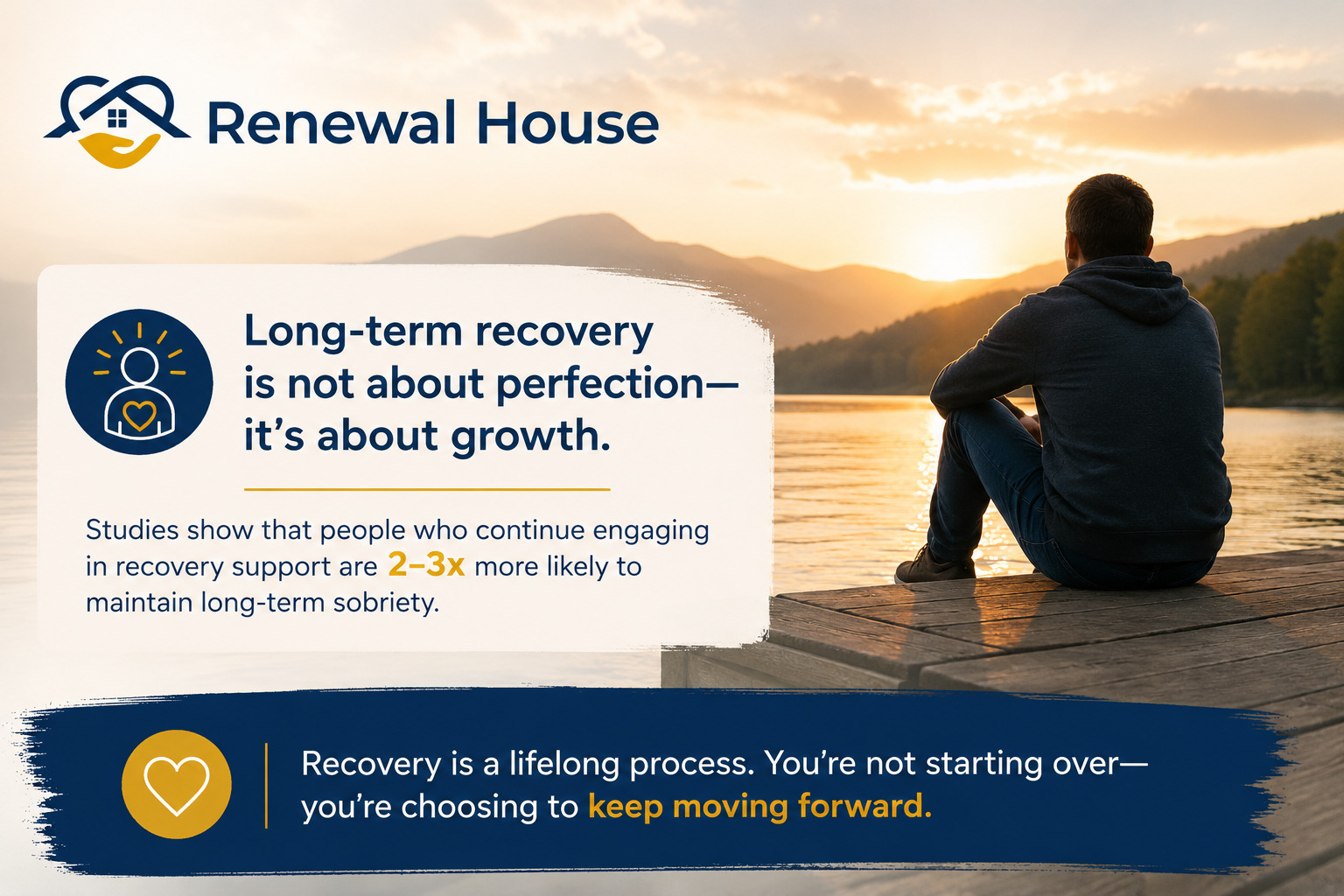
It reminded me that recovery is not a destination where we finally arrive and stay comfortable forever.
It’s a relationship.
And relationships require attention.
Recovery Is Bigger Than Not Drinking
This may be the most important lesson I learned.
For years, I measured recovery almost entirely through the lens of abstinence.
Was I drinking?
No.
Then I must be doing okay.
The problem is that sobriety and recovery are related, but they aren’t identical.
Recovery includes emotional health.
Connection.
Purpose.
Growth.
Relationships.
Self-awareness.
Spiritual well-being, however someone defines that.
A person can be sober and still feel disconnected.
A person can be sober and still need support.
A person can be sober and still be struggling.
Recognizing that reality changed how I view recovery forever.
The Most Unexpected Gift Was Hope
I didn’t return for support because I felt hopeful.
I returned because I felt stuck.
Hope came later.
What surprised me most wasn’t that I learned new recovery skills.
It was that I remembered something I had forgotten.
Growth is still possible.
No matter how much sobriety someone has.
No matter how long they’ve been in recovery.
No matter how successful they appear from the outside.
Growth remains available.
That realization brought energy back into my recovery.
Not the excitement of early sobriety.
Something deeper.
A renewed sense of purpose.
A renewed sense of curiosity.
A renewed sense of possibility.
If You’re Feeling Disconnected, Don’t Ignore It
One reason I’m sharing this story is because I know how easy it is to dismiss these feelings.
You tell yourself you’re tired.
Busy.
Stressed.
Burned out.
Maybe all of those things are true.
But sometimes disconnection is trying to tell us something.
Sometimes it’s inviting us to pay attention.
Sometimes it’s asking us to reconnect before things become more difficult.
Many people searching for resources related to alcohol rehab West Virginia aren’t necessarily facing an immediate crisis.
Some are simply trying to understand why recovery doesn’t feel the way it used to.
That’s a worthwhile question.
And it’s one worth taking seriously.
For those seeking additional support throughout the state, resources are available through programs offering support in Charleston and other communities across West Virginia. Individuals exploring broader regional resources may also find helpful treatment options in the Eastern Panhandle of West Virginia.
Recovery Is Allowed to Change
If I could go back and talk to my younger self, I would tell him this:
Recovery is not something you complete.
It’s something you continue.
There will be seasons when it feels vibrant.
There will be seasons when it feels difficult.
There will be seasons when you need more support than expected.
None of those seasons mean you’re failing.
They mean you’re human.
And sometimes the strongest recovery decision you can make is giving yourself permission to keep growing.
Frequently Asked Questions
Is it normal to feel stuck after years of sobriety?
Yes. Many people experience periods of emotional flatness, disconnection, or uncertainty even after years in recovery. Long-term sobriety does not eliminate life’s challenges.
Does feeling disconnected mean I’m about to relapse?
Not necessarily. However, emotional disconnection can be a signal that additional support, reflection, or recovery-focused activities may be beneficial.
Can someone return to treatment without relapsing?
Absolutely. Many people seek additional treatment, counseling, or recovery support because they want to strengthen their recovery before a crisis develops.
Why does recovery sometimes feel harder years later?
Life circumstances change. Responsibilities increase. New stressors emerge. Recovery often requires different tools and perspectives at different stages of life.
Is it common for long-term alumni to seek additional support?
Very common. Many individuals with years of sobriety continue participating in therapy, support groups, coaching, or treatment programs as their needs evolve.
Does going back to treatment mean my previous recovery failed?
No. Seeking additional support is often a sign of self-awareness and commitment to growth rather than evidence of failure.
What are signs I may need more support?
Common signs include emotional numbness, increasing isolation, loss of motivation, persistent stress, disconnection from recovery activities, or feeling stuck despite maintaining sobriety.
Can recovery continue growing after many years sober?
Yes. Some of the most meaningful growth occurs long after early sobriety. Recovery is an ongoing process that continues to evolve throughout life.
Call (304) 601-2279 or visit our alcohol treatment services to learn more about our treatment, alcohol services.
