

You might have already tried to change. Maybe you went to a program, sat through group sessions, or promised yourself things would be different this time.
Then something happened. Maybe you slipped. Maybe life got loud again. Maybe the tools you learned didn’t feel strong enough when things got hard.
If you’ve been there, you’re not alone in wondering whether trying again is even worth it. A lot of people reach that same quiet conclusion: I already tried. It didn’t work.
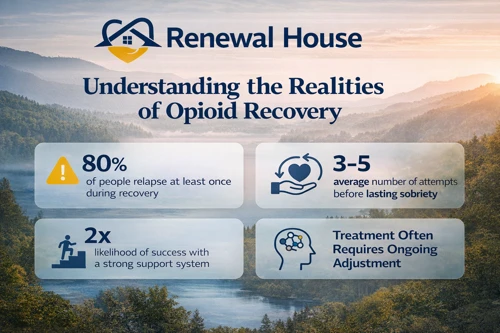
But recovery—especially with opioids—often unfolds differently than people expect. The path is rarely one straight line from struggle to stability. For many, it takes more than one attempt before things start to hold.
If you’re questioning whether another attempt makes sense, it may help to understand why that happens.
Early recovery support, including structured programs like those offered through opioid treatment services, is often part of a longer process of learning, adjusting, and finding the right support system.
The First Attempt Often Happens in Crisis
The first time someone seeks help, it’s rarely because life feels calm and organized.
More often, it’s because something finally broke through the noise. Maybe a health scare. A strained relationship. A moment of realizing things were slipping out of control.
That kind of urgency can push people into action—but it can also make the process harder.
When you begin recovery in survival mode, your brain is focused on immediate relief. Learning new coping patterns, rebuilding trust with others, and facing difficult emotions all take energy that might feel impossible in that moment.
For many people, the first experience with recovery becomes a kind of introduction rather than a final solution. It shows what support looks like, but it may not be enough time for deeper change to take root.
That doesn’t mean the attempt failed. It often means the process simply needed more time.
Recovery Is More Like Learning a Skill Than Flipping a Switch
A lot of people assume recovery works like a decision: you decide to stop, you get help, and life changes immediately.
But human behavior rarely works that way.
Think about learning something complicated—like playing an instrument or speaking a new language. The first few attempts are awkward. Mistakes happen. Progress is uneven.
Recovery works in a similar way.
The brain and body need time to adjust. Habits formed over years don’t disappear overnight. Emotional triggers that once led to substance use may still exist long after someone wants to change.
Each attempt at recovery often builds knowledge. People begin to understand their triggers more clearly, recognize warning signs earlier, and develop strategies that actually work in real life.
That learning process accumulates over time, even if it doesn’t feel like progress at first.
The Right Environment Matters More Than People Realize
Not every program is the right fit for every person.
Some people thrive in environments with strong structure and daily accountability. Others need flexibility that allows them to continue working or caring for family while receiving support.
Sometimes the first program someone attends simply doesn’t match their needs.
Maybe the schedule felt overwhelming. Maybe the group dynamic didn’t feel comfortable. Maybe the level of support was either too intense or not structured enough.
Finding the right environment can change everything.
In some cases, people discover that care closer to home—such as programs available in Charleston, West Virginia—makes it easier to stay connected to support while rebuilding their daily routines.
The difference between a poor fit and the right environment can shape how someone experiences recovery the second time around.
Life Circumstances Change Over Time
People change. Situations change. Priorities shift.
Someone who tried recovery a year ago may return to it with a completely different mindset today.
Maybe they’ve experienced consequences that clarified what’s at stake.
Maybe relationships have shifted.
Maybe they’ve simply grown tired of the cycle.
Sometimes the most important difference between attempts is readiness.
The first time, someone may have entered treatment because they felt pressured or afraid. The next time, they might walk in because they genuinely want something different.
That internal shift—quiet but powerful—can make recovery feel completely different.
What You Learned Still Matters
Even if the first attempt didn’t lead to lasting sobriety, the experience likely left behind something valuable.
People often carry pieces of that experience forward without realizing it.
Maybe it’s recognizing the early signs of a relapse.
Maybe it’s remembering a coping skill that helped during stressful moments.
Maybe it’s understanding how isolation can make things worse.
Those insights accumulate.
Recovery often works like assembling a toolkit. Each experience adds a few more tools, even if they’re not used perfectly at first.
Over time, the toolkit grows stronger.
Shame Can Make People Walk Away Too Soon
One of the hardest parts of relapse is the feeling that you’ve disappointed everyone—including yourself.
That sense of shame can make people withdraw from the very support systems that could help them get back on track.
Many people assume they won’t be welcomed back into treatment programs after a setback. Others worry they’ll be judged or treated like they failed.
In reality, relapse is a common part of many recovery journeys.
Professionals working in addiction care understand this. Programs are designed with the expectation that progress may involve setbacks, learning moments, and second chances.
Walking away completely after a relapse often comes from shame—not from the belief that change is impossible.
Recovery Gets Clearer With Experience
The first time someone enters recovery, everything is new.
There are unfamiliar terms, unfamiliar routines, and a lot of uncertainty about what the process will look like.
The second time, things often feel different.
People understand what group sessions involve. They know what kinds of conversations happen. They recognize the importance of building support networks.
This familiarity can reduce the anxiety that sometimes blocks people from fully engaging in the process.
Instead of trying to understand everything at once, individuals can focus more on the deeper work of healing and rebuilding their lives.
In some cases, people also find that exploring programs in nearby communities—such as Huntington, West Virginia—offers a fresh start with new perspectives and support systems.
Skepticism Is Normal After a Difficult Experience
If you’re reading this and feeling skeptical, that reaction makes sense.
People who have tried recovery before often carry disappointment with them. They’ve already invested time and emotional energy, and it didn’t turn out the way they hoped.
That kind of experience naturally raises questions.
Why would this time be any different?
What if I end up back where I started again?
Those questions aren’t signs of weakness. They’re signs of honesty.
Approaching recovery with realistic expectations—rather than blind optimism—can actually create stronger commitment. People who acknowledge their doubts are often more thoughtful about finding the kind of support that truly fits their needs.
Another Attempt Doesn’t Mean Starting From Zero
One of the biggest misconceptions about relapse is that it erases everything that came before it.
But personal growth rarely works that way.
Even if someone returns to substance use, the experiences they had during recovery don’t disappear. The brain still remembers the conversations, the strategies, and the moments of clarity.
The next attempt begins with that knowledge already in place.
Instead of starting from zero, people often start from a place of deeper understanding.
That understanding can make recovery more sustainable over time.
Frequently Asked Questions
Why do some people need more than one attempt at recovery?
Recovery involves physical, emotional, and behavioral change. Because those changes take time, many people go through several attempts before new habits fully take hold. Each attempt often builds knowledge and skills that support future progress.
Does relapse mean treatment didn’t work?
Not necessarily. Many recovery experts view relapse as part of the learning process. It can highlight triggers, stressors, or gaps in support that need to be addressed for long-term success.
Is it common for people to return to treatment?
Yes. Many people re-engage with recovery support after setbacks. Returning to care often allows individuals to apply what they learned previously while exploring new strategies for staying stable.
What can make a second attempt more successful?
Several factors can help, including finding a program that fits your lifestyle, building a stronger support network, and entering recovery with a clearer understanding of personal triggers and coping strategies.
How long does recovery usually take?
Recovery timelines vary widely from person to person. Some individuals begin feeling stable within months, while others need longer periods of structured support and ongoing care.
How do I know if I should try again?
If substance use is still affecting your health, relationships, or sense of stability, it may be worth exploring support again. Many people find that another attempt—especially with a different approach—can lead to meaningful change.
Recovery doesn’t always unfold the way people expect. For many individuals struggling with opioids, the path forward includes setbacks, learning experiences, and more than one attempt at change.
That doesn’t mean the process failed. It means growth is still happening, often in ways that are hard to see in the moment.
If you’re reconsidering support and wondering whether another attempt could look different, help is available.
Call (304) 601-2279 or visit the Renewal House website to learn more about our treatment, Opioid Addiction Treatment in West Virginia.
